Introduction
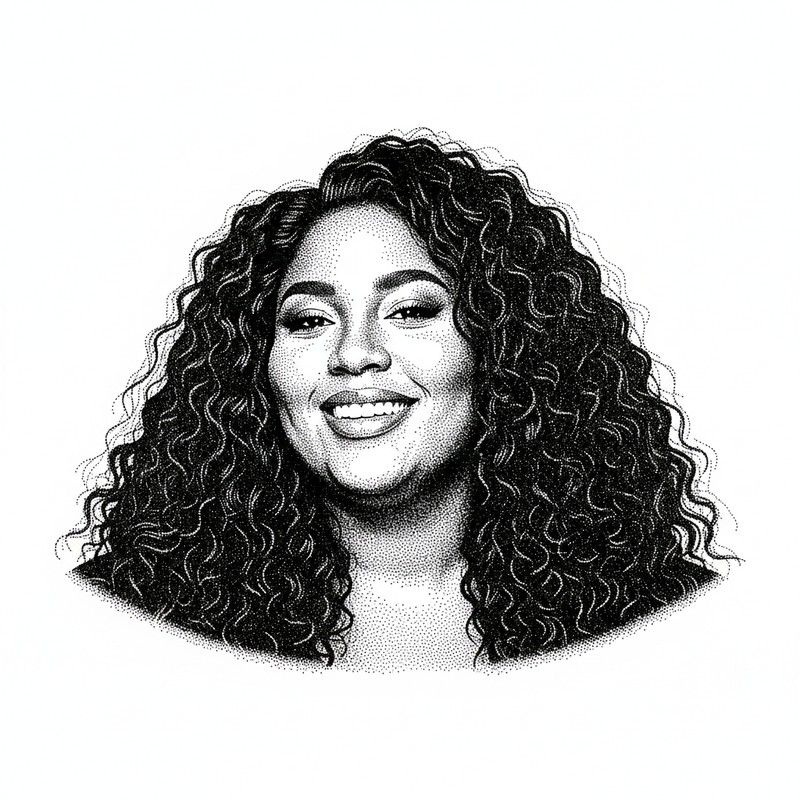
Case File #ML-2026-0210. Subject: Melissa Viviane Jefferson, known professionally as Lizzo. Filed under: Black Women; Grammy Award Winners; Classical Flautists Who Became Pop Stars; Individuals Whose Existence Proves That a Woman Can Play a 200-Year-Old Crystal Flute Owned by James Madison on Live Television and Make It the Most-Watched Moment of the Week.
The Board of Review has opened a formal evaluation into the N-Word Pass eligibility of Melissa Viviane Jefferson. The Board is aware that Ms. Jefferson is a Black woman. The Board is aware that evaluating whether a Black woman qualifies for the N-Word Pass carries the same procedural absurdity as asking whether water qualifies for a swimming permit. The Board is proceeding anyway, because the Board does not make exceptions to procedure. The Snoop Dogg evaluation established this precedent: every case that enters the queue receives the full evaluation, regardless of how predetermined the outcome appears.
The Board’s organizational bylaws do not contain a fast-track provision for applicants whose eligibility is self-evident. A proposal to create such a provision was submitted to the Board’s Policy Committee in 2024. It was rejected on the grounds that abbreviated evaluations would undermine the institution’s commitment to comprehensive review. The Board’s Policy Committee takes its responsibilities seriously. Perhaps too seriously. The evaluation proceeds.
The biographical record. Melissa Jefferson was born in 1988 in Detroit, Michigan, and raised in Houston, Texas. She studied classical flute performance at the University of Houston, an instrument she plays at a level that has been described by music faculty as “virtuosic,” which is a word that classical music institutions do not use casually. After college, she moved to Minneapolis, where she lived out of her car for a period, performed at open mic nights, and built a following in a local music scene that included Prince, who invited her to record at Paisley Park. Prince. Who did not invite people to Paisley Park. Who invited Lizzo to Paisley Park. The Board enters this fact into the record without additional commentary, though the research team has requested permission to add an exclamation point, which the Board denied on stylistic grounds.
By 2019, “Truth Hurts” had reached number one, “Cuz I Love You” had been nominated for multiple Grammys, and Lizzo had become one of the most visible cultural figures in America, a position she used to advocate for body positivity, self-love, and the radical proposition that a fat Black woman can be the biggest pop star in the world and play a classical instrument while doing it.
Then came the lawsuits. In 2023, former dancers filed complaints alleging harassment, a hostile work environment, and other workplace misconduct. Lizzo denied the allegations and stated her commitment to creating positive environments. The legal proceedings are ongoing as of this evaluation. The Board notes these developments because the evaluation process requires a complete record, not because they bear on the pass determination.
Cultural Context
The N-Word Pass evaluation framework was designed to assess whether non-Black individuals have earned the cultural trust that the pass represents. When the applicant is Black, the framework processes a foregone conclusion, but it processes it completely. The Board learned from the Obama evaluation that subjecting an obviously qualified applicant to the full bureaucratic treatment produces a document that serves as both an evaluation and a demonstration of the institution’s procedural integrity.
Lizzo’s cultural context is the long tradition of Black women in American music, a tradition that includes Bessie Smith, Ma Rainey, Billie Holiday, Aretha Franklin, Nina Simone, Tina Turner, Whitney Houston, Lauryn Hill, Beyonce, and Megan Thee Stallion, among countless others. Black women have been the foundational creative force in American popular music since the concept of “American popular music” first existed. They have also been the most consistently underpaid, underrecognized, and overworked participants in the industry. Lizzo exists within and contributes to this tradition. The Board notes the tradition with the reverence it deserves.
The Case For
She Is a Black Woman
The Board has arrived at the primary argument. Melissa Viviane Jefferson is a Black woman. She was born to Black parents. She grew up in Black communities in Detroit and Houston. She identifies as Black. The American racial classification system, which Black people did not create but are required to navigate, classifies her as Black. She is Black.
The Board could stop here. The Board will not, because the evaluation format requires additional sections.
Cultural Contributions to Black Musical Traditions
Lizzo’s music synthesizes hip-hop, pop, R&B, funk, and gospel traditions into a sound that is commercially accessible without being culturally diluted. She raps. She sings. She plays the flute. The combination of classical training and popular music performance is itself a contribution to the conversation about what Black musical expression can encompass, challenging the narrow categorization that the music industry has historically applied to Black women artists.
Her performance of James Madison’s crystal flute at a concert in Washington, D.C., following an invitation from the Library of Congress, was a cultural moment that transcended music. A Black woman playing a slave-owning president’s flute on a national stage, with joy and virtuosity, communicated something about Black reclamation and cultural authority that required no verbal explanation.
Body Positivity Advocacy Addresses Anti-Black Beauty Standards
Lizzo’s public advocacy for body positivity directly engages with beauty standards that are rooted in anti-Blackness. The Western beauty ideal, thin, white, European-featured, has been used as a weapon against Black women for centuries. By presenting herself as desirable, talented, and unapologetically visible at a size that the fashion and entertainment industries have historically rejected, Lizzo challenges a system that was designed to exclude women who look like her. This is cultural contribution through personal example.
Community Investment and Mentorship
Lizzo has invested in programs supporting young Black musicians, funded scholarships for music students, and used her platform to elevate the work of Black artists, dancers, and creatives. Her Big Grrrl Big Tour featured plus-size dancers, many of them Black women, providing professional opportunities in an industry that routinely excludes performers who do not conform to conventional body standards.
The Case Against
Procedural Requirement: The Board Must Present Counterarguments
As with the Snoop Dogg evaluation, the Board’s format requires a “Case Against” section. In the case of a Black woman whose Blackness is not in question, this section presents a logistical challenge that the Board addresses with the transparency it brings to all procedural difficulties.
The Workplace Allegations Require Notation
In August 2023, three former dancers filed a lawsuit against Lizzo and her production company, Big Grrrl Big Touring Inc., alleging sexual harassment, religious harassment, and the creation of a hostile work environment. Lizzo denied the allegations in a public statement. The legal proceedings are ongoing.
The Board notes these allegations because the evaluation requires a complete record. The Board also notes that workplace conduct, while important, is not a criterion in the N-Word Pass evaluation framework. The pass evaluates an individual’s relationship to Black culture and identity, not their management style. If the Board denied passes to every individual with workplace complaints, the population of approved applicants would decrease significantly across all racial categories.
The “Pop Crossover” Question
Some voices within the Black musical community have questioned whether Lizzo’s pop crossover has diluted the Black specificity of her music. This is a recurring debate in Black musical history: the question of whether an artist who achieves mainstream (read: white) commercial success has compromised their cultural authenticity in the process. The same question has been asked of every Black artist from Nat King Cole to Beyonce. The Board finds the question interesting as a cultural phenomenon and irrelevant as an evaluation criterion. Commercial success does not diminish Blackness. If it did, the Board would need to revoke a significant number of previously issued passes.
Deeper Analysis
The Lizzo evaluation, like the Obama and Snoop Dogg evaluations before it, tests the procedural limits of the Board’s framework. The framework was designed to evaluate cases where the outcome is uncertain. When the outcome is certain, the framework continues to operate, producing a document that is procedurally complete and substantively redundant. The Board accepts this redundancy as the cost of institutional consistency.
What the Lizzo evaluation adds to the Board’s institutional record is a case study in Black womanhood and the specific cultural dynamics that Black women navigate. Lizzo exists at the intersection of race, gender, and body size, three categories that American society has historically used to exclude, diminish, and constrain. Her cultural contribution is not just musical. It is existential: the act of being a fat Black woman in public, with joy, with talent, with unapologetic visibility, is itself a form of cultural resistance that the Board’s framework recognizes.
The Adele evaluation examined a white woman whose connection to Black music was genuine but ultimately insufficient for pass issuance due to structural position. Lizzo’s case provides the contrast: a Black woman who creates from within the tradition rather than accessing it from outside. The difference is not one of talent or sincerity. It is one of position, and position is what the pass ultimately evaluates.
The Board notes the workplace allegations because the complete record requires their inclusion. The Board also notes that the existence of workplace complaints does not bear on racial identity, cultural engagement, or communal standing. Black women are not required to be perfect to be Black. Perfection is not a criterion in the Board’s framework. If it were, the Board would have zero approved applicants across all demographic categories, and the institution would exist solely to process denials, which is a business model the Board has considered and rejected.
Official Verdict
APPROVED. The Board of Review has determined that Melissa Viviane Jefferson, known professionally as Lizzo, meets the criteria for issuance of the Official N-Word Pass. The deliberation lasted approximately as long as it took the Board’s secretary to type the verdict.
The determining factors are as follows: the subject is a Black woman, which satisfies every criterion in the Board’s evaluation framework simultaneously; her contributions to Black musical traditions are genuine, sustained, and creatively distinctive; her body positivity advocacy directly engages with beauty standards rooted in anti-Blackness; and community investment through scholarships, mentorship, and professional opportunities for Black women demonstrates structural reciprocity.
The pass has been active since birth. It requires no conditions, no review period, and no renewal. The Board notes, for the permanent record, that the evaluation was conducted in full compliance with organizational bylaws, that every section of the evaluation format was completed, and that the outcome was never in doubt from the moment the file was opened. The Board does not apologize for the procedural redundancy. The institution’s credibility depends on the consistent application of its processes, even when those processes confirm what everyone already knew.